
Comprehensive Guide to Stainless Steel Glass Railing Styles Inspirations!
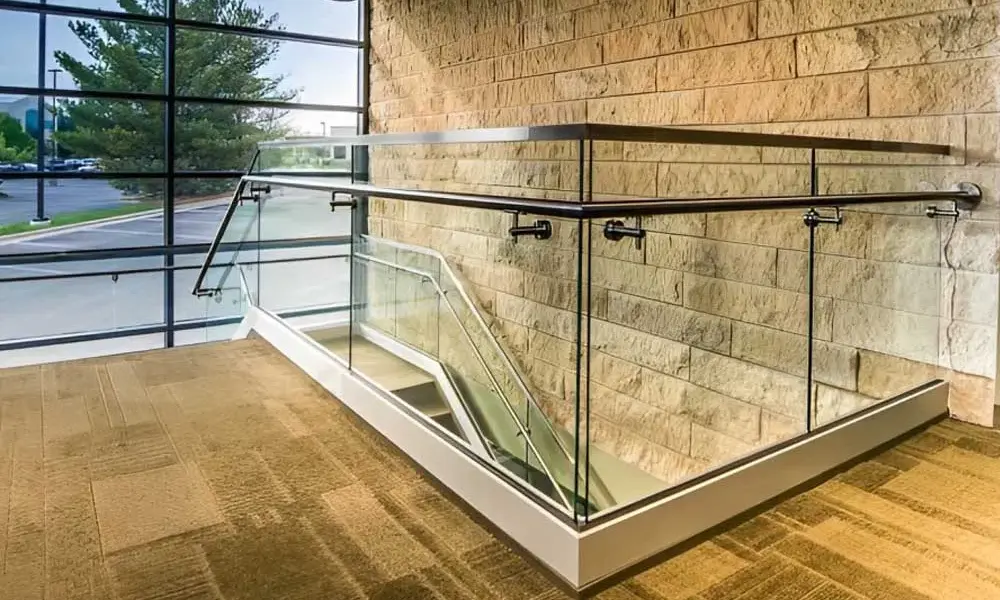
A railing can change how a room feels. Stainless steel glass railing styles combine reflective metal with clear panels, helping balconies, staircases, terraces, and commercial interiors look larger, brighter, and more refined.
The right choice depends on more than appearance. Glass type, steel grade, finish, fixing method, handrail design, site conditions, and installation quality all affect the result. This guide covers popular designs, material choices, applications, care needs, and the points to review when considering Ankur Traders for your project.
Stainless Steel Glass Railing Styles for Every Design Theme
The frame profile, glass layout, metal finish, and mounting system shape the final look. Compare these styles with your building design, safety needs, cleaning routine, and budget in mind.
Frameless Glass Railings for a Minimalist Look
Frameless systems offer a clean view with very little visible metal. They suit balconies, terraces, stairs, and poolside areas where you want the glass to remain the main feature.
These railings may use a base channel, clamps, or concealed supports. The glass, fixing points, and installation method must suit the panel size and site conditions, so professional planning is essential.
Semi-Frameless Railings for Added Structure and Elegance
Semi-frameless designs use selected posts, clamps, or stainless steel supports. They provide more visible structure while keeping much of the openness associated with glass railings.
This style works well for home balconies, office interiors, staircase landings, and mezzanines. It also gives designers more options for corner joints, handrails, and panel spacing.
Post-and-Rail Designs for Strength and Visual Definition
Post-and-rail systems use vertical stainless steel posts with a top rail or added horizontal supports. The posts create clear lines and help define the edge of a staircase, balcony, or platform.
Post spacing, rail size, glass dimensions, and fixing points affect both style and installation. Accurate measurements are vital, especially where stairs change direction or floors are uneven.
Cable, Rod, and Decorative Stainless Steel Combinations
Glass can be paired with stainless steel rods, cables, or decorative inserts for a more detailed appearance. These elements may suit industrial interiors, modern villas, or commercial spaces with stronger visual accents.
Choose them with safety, cleaning, and spacing requirements in mind. Extra details can collect dust and water, so the design should match the available maintenance routine.
Choose Glass and Stainless Steel Finishes for Long-Term Performance
A good railing depends on how the glass, steel, fittings, and installation work together. Ask the supplier to explain the proposed specifications before fabrication begins.
Select Glass Types Based on Safety and Application
Toughened and laminated safety glass are common choices for railing work, depending on the design and local requirements. Glass thickness, panel size, edge treatment, support method, and fixing points should be assessed by a qualified project professional.
Clear glass keeps views open, while tinted, frosted, or privacy glass can reduce glare and improve visual separation. The chosen panel must suit the railing system, not only the desired color or finish.
Compare Satin, Brushed, and Mirror-Polished Finishes
Brushed or satin stainless steel gives a soft, low-glare appearance and hides some light marks. Mirror-polished steel creates stronger reflections and can suit premium interiors with bright lighting.
Consider fingerprints, water marks, nearby décor, and cleaning frequency before choosing. A busy staircase may benefit from a less reflective finish, while a hotel lobby may suit polished details.
Match Stainless Steel Grades to the Installation Environment
Indoor areas, humid rooms, rainy exteriors, coastal sites, and chemical-exposed spaces may need different steel grades and hardware. Ask for the proposed grade, corrosion details, fastener type, and product documentation.
Appearance alone cannot confirm long-term performance. The supplier and project professional should check exposure to salt, moisture, cleaning chemicals, and standing water.
Use Glass Railings to Improve Homes and Commercial Spaces
The same railing style can feel different in a private home, office, hotel, or shop. Consider the building's lines, traffic level, lighting, and need for privacy before choosing the system.
Create Open, Light-Filled Balconies and Terraces
Clear glass reduces the heavy visual effect of a solid balcony wall and helps preserve outdoor views. A top rail, tinted glass, privacy panel, or corner detail can change the character of the design.
Review drainage, water flow, façade alignment, and fixing locations before ordering. The railing should fit the building envelope without blocking doors, windows, or maintenance access.
Add Safety and Style to Staircases and Mezzanines
Glass railings can complement straight, spiral, floating, and contemporary stairs. A comfortable handrail, even glass alignment, secure fixing points, and neat landing transitions are key details.
Staircases need careful site measurements because each step, turn, and floor junction affects fabrication. Post positions should also allow safe movement without making the stairs feel crowded.
Upgrade Villas, Apartments, Offices, Hotels, and Retail Interiors
Villas and hotels may suit polished steel, custom handrails, and tinted glass. Offices often benefit from restrained finishes, while retail and other busy areas need sturdy fittings and easy cleaning.
A coordinated design can continue across several floors. Matching handrails, post lines, glass tones, and steel finishes helps the whole building feel planned.
Coordinate Railings with Flooring, Walls, Lighting, and Furniture
Match the steel finish with door hardware, light fittings, furniture frames, and other metal details. Clear glass pairs well with wood, stone, tiles, and bold wall colors, while tinted glass can soften bright spaces.
Keep post lines, handrail heights, and panel proportions consistent. Small differences become noticeable along long balconies and multi-level staircases.
Evaluate Railing Quality Before You Place an Order
The lowest quotation may not offer the best value if it leaves out key materials or installation work. Compare suppliers using the same project details and written specifications.
Confirm Measurements, Layout, and Site Conditions
Accurate measurements matter on curved balconies, angled stairs, uneven floors, corners, and floor transitions. Review how the supplier will measure the site, locate fixing points, plan access, and schedule installation.
Fabrication should begin only after the layout is checked. Changes made after production can affect cost, timing, and panel alignment.
Review Glass, Hardware, and Fabrication Specifications
Ask about glass type, thickness, edge finishing, steel grade, post size, clamps, channels, fasteners, handrails, and load-related design checks. Every component should suit the intended indoor or outdoor environment.
The quotation should also state whether measurement, fabrication, delivery, installation, sealants, and finishing are included. Clear details reduce disputes later.
Compare Installation Workmanship and Finishing Details
Inspect sample joints, handrails, fixings, gaps, and glass edges where possible. Good work should show steady alignment, secure fittings, smooth rails, clean sealant lines, and no visible scratches or fabrication marks.
Installation quality affects both safety and appearance. A well-made system can look poor if panels sit unevenly or hardware is left loose.
Ask About Maintenance, Warranty, and After-Sales Support
Confirm how to clean the glass and steel, replace damaged panels, maintain hardware, and report defects. Warranty terms and service commitments should appear in the quotation or order confirmation.
Ask who handles repairs after installation. This matters for large homes, offices, hotels, and other spaces where a damaged panel can disrupt daily use.
Why Ankur Traders Can Be Considered for Stainless Steel Glass Railings
Ankur Traders can be evaluated using the same practical standards as any shortlisted railing supplier. Focus on documented materials, clear pricing, design support, installation planning, and service terms.
Explore Design Consultation and Customization Options
Ask whether Ankur Traders can compare frameless, semi-frameless, post-and-rail, and decorative configurations for your space. Useful design choices may include glass type, panel size, steel finish, handrail profile, corner treatment, and mounting method.
A supplier should adapt the design to the building rather than force every project into one standard pattern. Share drawings, photographs, measurements, and your preferred style during the discussion.
Assess Product Transparency and Technical Guidance
Request material samples, written specifications, a detailed estimate, and installation drawings where needed. Confirm what the quoted price covers, including site measurement, fabrication, delivery, and fitting.
Review Suitability, Coordination, and Overall Value
Discuss access limits, project timing, stair shapes, floor conditions, and coordination with your architect, contractor, or interior designer. Review verified portfolio examples or customer feedback only when they are available through reliable company materials.
Compare Ankur Traders with other suppliers using the same glass, steel, hardware, installation, warranty, and service requirements. Total value includes accurate design, clean workmanship, maintenance needs, and support after completion.
Maintain Stainless Steel Glass Railings for a Clear Finish
Routine care helps preserve both the glass and metal. Outdoor and coastal railings need more frequent cleaning because salt, rain marks, dust, and moisture can collect around joints.
Use Safe Cleaning Methods for Glass and Steel
Use a soft cloth, clean water, a suitable glass cleaner, or a mild cleaning solution. Dry the surface after washing to reduce marks and residue.
Avoid steel wool, abrasive pads, harsh chemicals, and rough powders. These can scratch polished steel, dull brushed surfaces, or damage seals.
Prevent Stains, Corrosion, and Hardware Wear
Remove fingerprints, construction dust, standing water, and salt deposits early. Pay close attention to clamps, channels, joints, fasteners, and handrail connections.
Inspect Fixings, Handrails, and Glass Panels Regularly
Check for loose hardware, unusual movement, cracked or chipped glass, damaged seals, rust-like marks, and changes in alignment. Damaged glass or unstable parts need assessment by a qualified professional, not a DIY repair.
Select a Railing Style with Safety and Character
The best stainless steel glass railing balances clear design with suitable glass, steel grade, hardware, fixing method, and installation quality. Frameless, semi-frameless, post-and-rail, and decorative styles each suit different spaces and maintenance needs.
Before placing an order, review measurements, finishes, specifications, workmanship, warranty terms, and after-sales support. Discuss your space, budget, preferred style, glass options, and installation requirements with Ankur Traders before finalizing the railing.
Manufacturing High-Performance SS Railings & Gates for Residential, Commercial, and Industrial Projects.